Caregiving ends the way it begins. Without a manual. What follows is a period that most families are unprepared for. The grief, the logistics, the feeling that you’ve lost your footing after losing not just a loved one but a role that defined your days. And it doesn’t come with instructions. Our team is often Read More
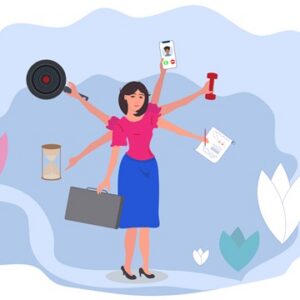
Caregiving doesn’t leave much room for stillness. Your days are full, your mind is fuller, and somewhere in between, your own needs get pushed aside. For the nearly 59 million family caregivers balancing work, family, and daily responsibilities, it’s easy to put one’s own health last. Some days, it may feel like there’s no time Read More
Living with a chronic illness or disability often means that energy comes at a premium. On some days, even routine activities like making breakfast, getting dressed, or taking a shower can feel like a major effort. And this experience is far more common than many realize. According to the National Council on Aging, about 93% Read More
Many people focus on living a long life, but length alone does not guarantee a life of quality. The American Heart Association highlights an important concept called healthspan. Lifespan is simply the total number of years lived. Healthspan, on the other hand, is the number of years a person lives in good health, free from major illness or loss of independence. Read More
Ready to make New Year’s resolutions that are easy to keep and really improve your well-being? Many older adults find that big, ambitious goals can feel overwhelming. Small and consistent habits are easier to keep and more likely to bring lasting wellness and happiness. Take Margaret, for example. She’s 73 and a widow who has Read More
The holiday season is often a time for joy and shared moments. Yet, for many older adults, it can also bring feelings of loneliness or sadness. These “holiday blues” are real and can affect emotional and physical health. Understanding why this happens and how to help is important for families and caregivers. Why older adults Read More
For many older adults, self-care isn’t second nature. It’s not that it doesn’t matter, it just wasn’t always part of the conversation. Giving back to others without expecting much in return shaped an entire generation. But today, tuning into one’s own emotional, mental, physical, and social needs helps shape a more balanced way to age. Read More
Anxiety, as defined by the American Psychological Association, is an emotion characterized by feelings of tension, worried thoughts, and physical changes such as increased blood pressure. For older adults, anxiety can be triggered by a variety of factors, including health concerns, financial stress, social isolation, or a loss of independence. These emotions can be especially Read More
Loneliness doesn’t just affect the heart—it affects the whole person. For many older individuals, isolation becomes an unintended reality, leading to significant physical, mental, and emotional challenges. Due to a variety of factors such as mobility issues, the loss of a spouse, or living far from family, social disconnection can quietly take a toll. Physical Read More
As the world’s population ages, the World Health Organization (WHO) notes that over 1 billion people are now 60 years or older. While many older adults enjoy good health, they remain at risk for mental health conditions such as late-life depression, anxiety disorders, and cognitive decline. Additionally, age-related physical changes often require careful medication management Read More